<meta name="p:domain_verify" content="987e208cbfc957656b212a7251d991ee"/>

GHANAIAN VISUAL ARTISTS
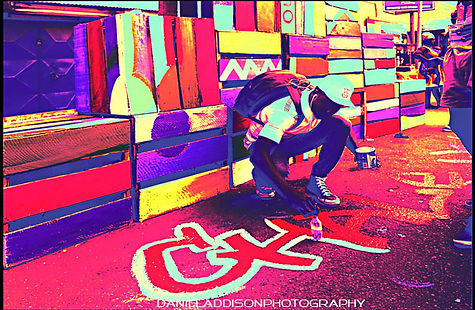
STREET ART AND GRAFFITI
In the last two decades some creative Vocational designers such as carpenters, seamstresses, tailors, and hairdressers have attracted the attention of Western historians.
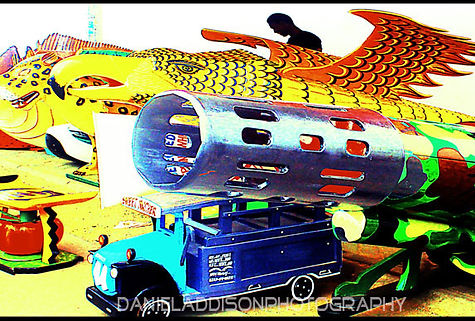
Notable within this group of designers are the custom made coffin makers who have replicated in sculpture recognizable forms such as cars and boats.
Street Art has forever been a vibrant tool of personal expression manifesting in a variety of unique ways.
In parts of Africa it comes in the form of beautifully painted shop fronts as well as alternative methods of political campaigning.
For example in Gambia, local communities are using street art as a way of presenting their culture and in South Africa, Street Art and graffiti is already quite popular.
It often provides insight into the variety of historical, traditional and current cultural aspects of a country.
Striking murals designed to inspire, also enables parties to interact with the illiterate members of the population
EXHIBITION GALLERY AND ART NEWS EXTRACTS
CONTEMPORARY VISUAL ART IN GHANA
Museums and galleries all over the world regard traditional African art of high aesthetic value. A reputation ignited by the overwhelming influence African art had on modernist European artists at the beginning of the twentieth century.
This impact and positive status of traditional African art has over decades resulted in laudable exhibitions, acquisition and documentation of such antiques.
Nevertheless, not much favorable interest and documentation is offered most contemporary art of Africa. It is being criticized for being "universal" and "failing to meet the stereotypical African art tradition".
This is also the case for contemporary art in Ghana
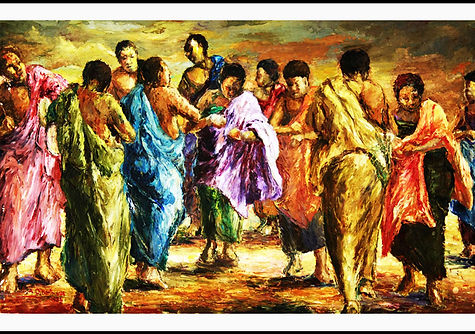
Contemporary Ghanaian visual artists are usually unaffiliated to any artistic movements.
They are open to a tremendous exploration of indigenous and universal ideas, formal or informal, and are poised to exhibit their works to both local and international audience.
In addition some of these independent fine artists create work that shows evidence of experimentation, of research, and an openness that seeks to break the barriers of cultural stagnation through the combination of emotional and intellectual acuity.
Ghanaian artists receive art training from varied sources. Some are self-taught and the majority of them receive formal training in Ghana and abroad.
They either receive tertiary education at the College of Art, (Kwame Nkrumah University of Science and Technology, Kumasi,) training from private institutions (such as Ghanatta or Ankle School of Art, both located in Accra) apprenticeship from private sign writing workshops, or are self-taught.
Works of art emerge from diverse sources with varied intent and therefore it is wiser to keep an open mind, slow to judgment.
If art can thrive on convergent and divergent ideas, of influence and tradition, of the rejection of conventions, and by borrowing from unprecedented sources across board, then the idea of a pure art devoid of influence does not exist and cannot be used as a measure to qualify the authentic in art.
Thanks to primitivism, post modernism, modernism, tradition and academism.
TO CONTINUE